we research power and contestation in communication infrastructures. the critical infrastructure lab aims to co-develop alternative infrastructural futures that centre people and planet over capital and control. we develop research insights, policy recommendations, and build community around three overlapping areas: geopolitics, standards, environment.
if you want to get involved in the work of the lab, a good first step is to join the bi-weekly reading group. To get updates in your mailbox, you can sign up to our newsletter and read the most recent edition here.
publications
# report Up to Spec: TSPU & Russia’s National Internet Filtering System October 2026
# report TSPU and You: Architecture, Blocking Behaviours, and Implications for Tool Development October 2026
# paper ‘Scale Quantum, not bureaucracy’: Policy logics and geopolitical anxieties in the standardization of quantum technologies August 2026
# book chapter Infrastructural Ideologies June 2026
# book chapter The Internet Infrastructure Has Never Been Open June 2026
in the media
# interview Wat zijn de gevolgen van het toenemende aantal datacenters in Nederland? (in Dutch) August 2026
# op-ed The Case for a Temporary Moratorium on Large Data Centers in Europe July 2026
# podcast Datacenters en schaarste: wie krijgt de rekenkracht? July 2026
# news article Zeekabels tonen niet onze kwetsbaarheid voor Rusland, maar voor big tech June 2026
# news article Het bezoek van Poetin aan Xi toont de innige en ongelijke band tussen Rusland en China May 2026
experiments and interventions
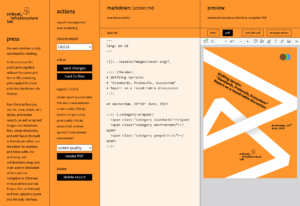
# Press: A web-to-print pipeline for generating our document series August 2026
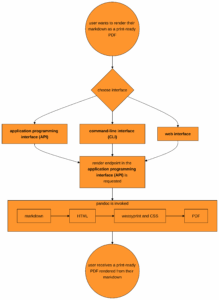
# Country and Regional Graphs of Internet Networks May 2026
# EU digital legislation timeline February 2026
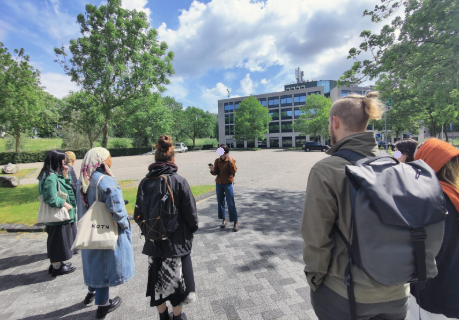
# data center walks and infrastructure walks February 2025
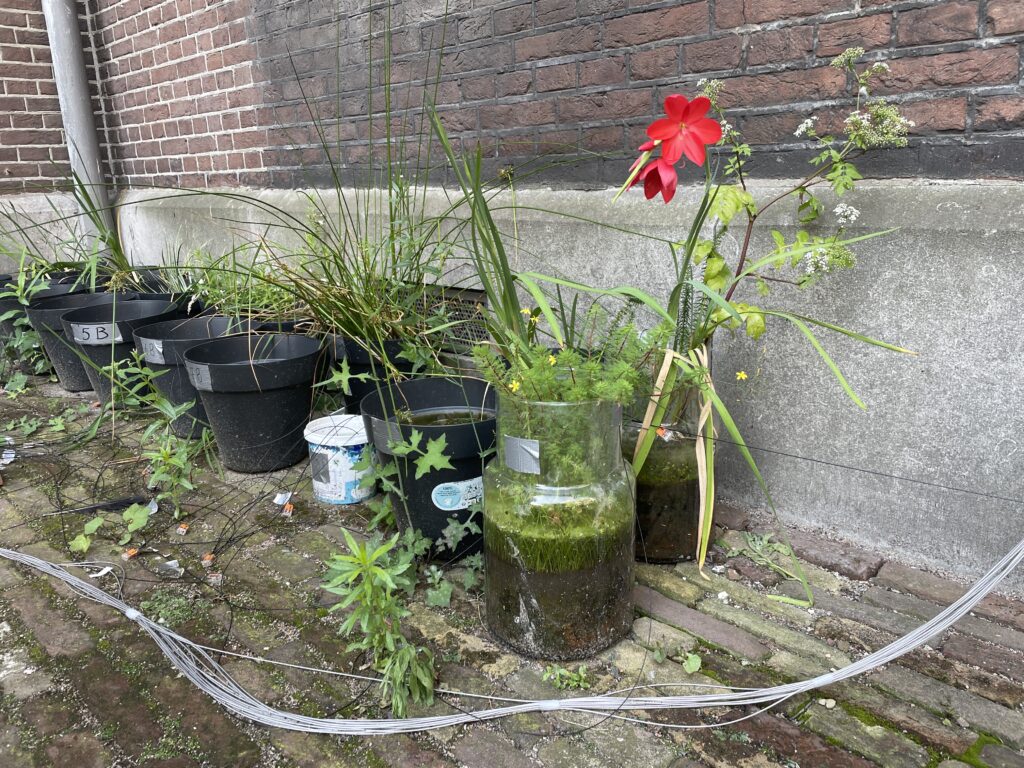
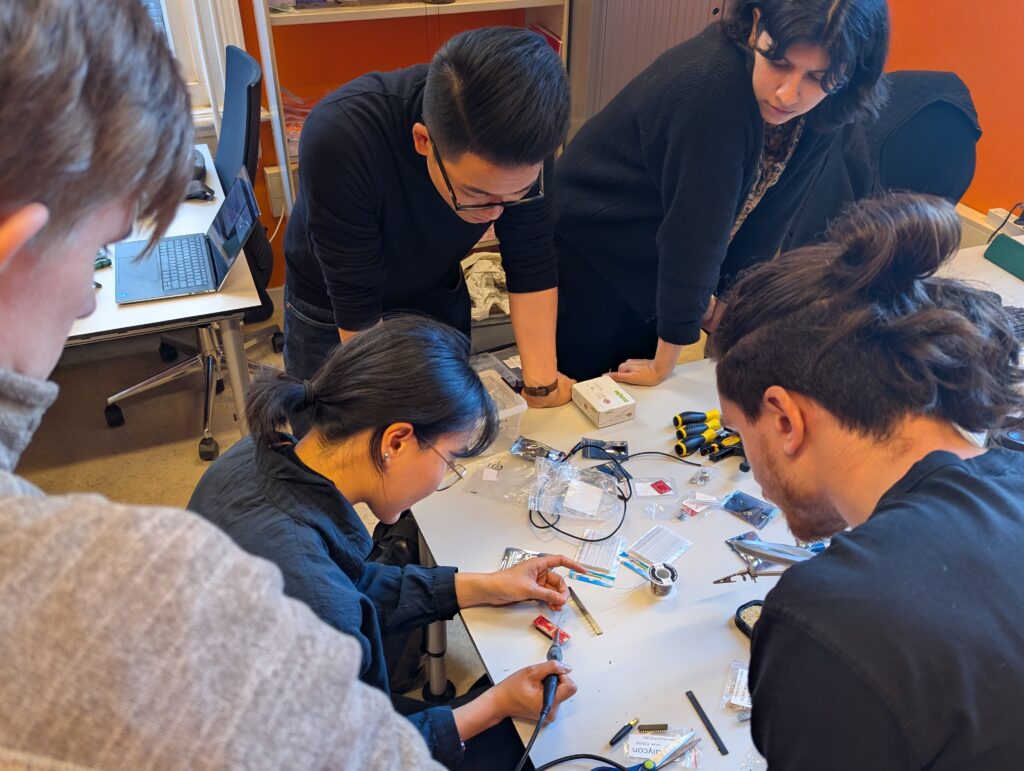
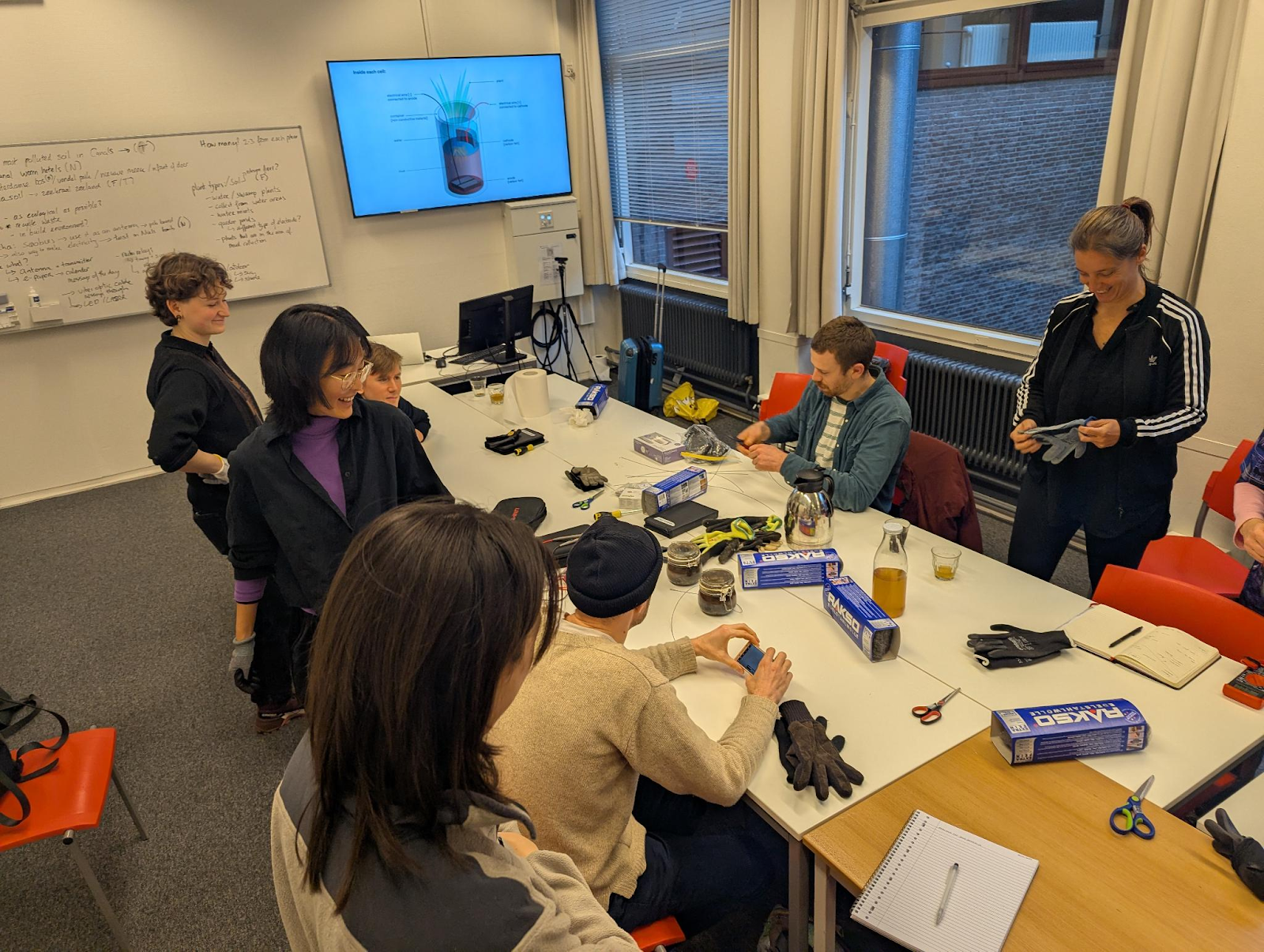
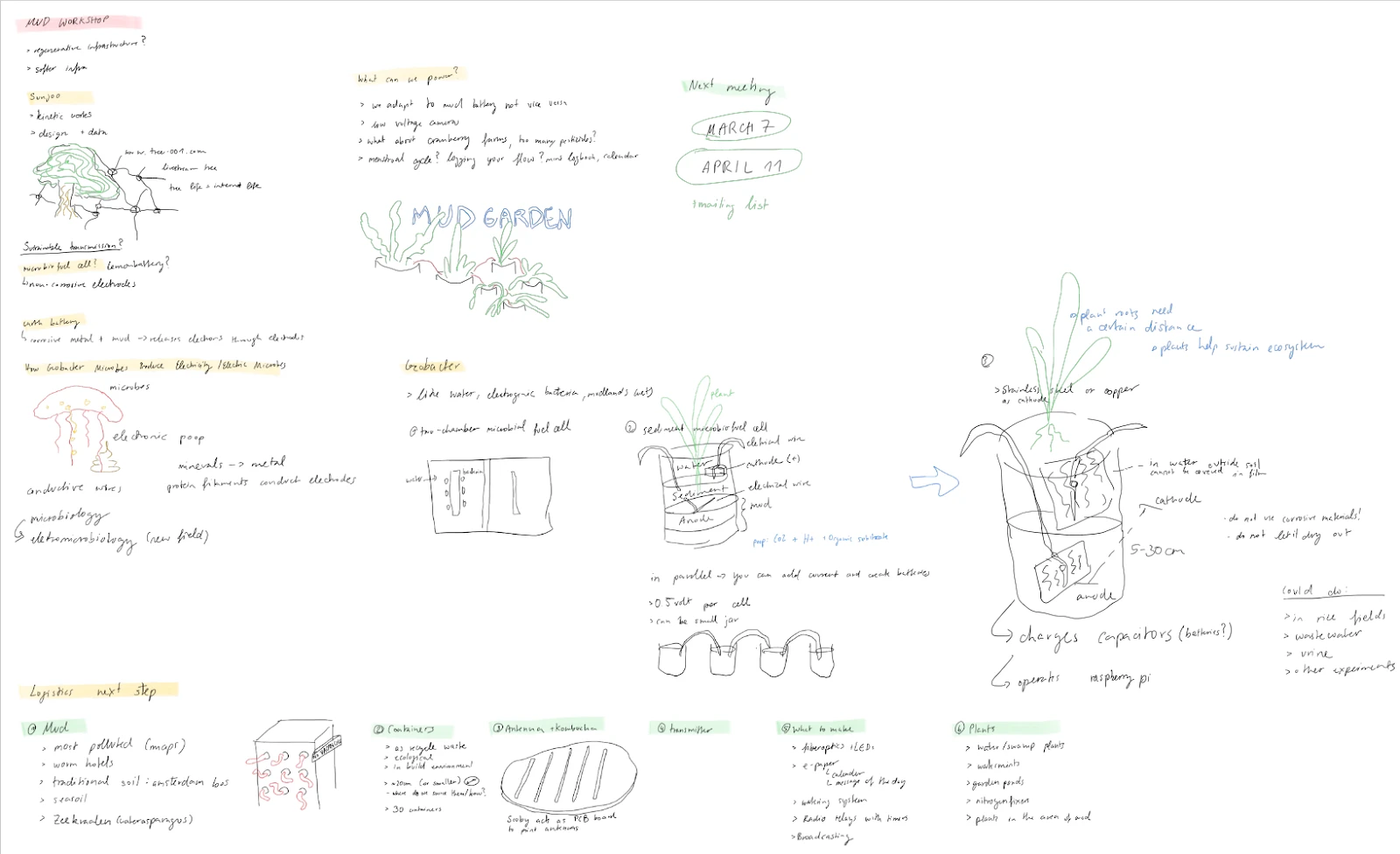
# mud batteries and regenerative infrastructures February 2025
people and governance
people
niels ten oever
niels@criticalinfralab.net – co-principal investigator – geopolitics lead
niels is an assistant professor of AI and European democracies and co-principal investigator with the critical infrastructure lab at the University of Amsterdam. He is a visiting professor with the Centro de Tecnologia e Sociedade at the Fundação Getúlio Vargas. Niels teaches courses in politics and technology, has implemented technology projects on five continents, and has participated in many governance and standard-setting processes, such as in the IETF, ICANN, ITU, ICANN, and 3GPP. His research focuses on how norms, values, and ideologies get inscribed, resisted, and subverted in communication infrastructures through their transnational governance. In his work, he tries to understand how invisible infrastructures provide a socio-technical ordering to information societies and how this influences the distribution of wealth, power, and possibilities.
maxigas
maxigas – maxigas@criticalinfralab.net – co-principal investigator – standards lead
maxigas is assistant professor at the media department at utrecht university. he interested in hacker culture, cybernetic ideologies, infrastructural imaginaries, and the materiality of the digital. he uses media ethnography and digital methods to answer philosophical questions about contemporary social conflicts. with a thoroughly interdisciplinary background in the social sciences and humanities, a decade long industry experience in it, and a history of media activist practice, he brings a theoretically sophisticated, technologically grounded, politically savvy perspective to debates on media and culture. his papers have been published in leading journals in science and technology studies as well as media studies, from the social studies in science, through the journal of peer production, to most recently in the internet policy review.
fieke jansen
fieke jansen – fieke@criticalinfralab.net – co-principal investigator – environment lead
fieke is an assistant professor at the media studies department and a co-principal investigator with the critical infrastructure lab at the university of amsterdam. She is part of the 'Exploring sustainability and environmental resilience: Sustainable AI Futures' research project, led by Professor Samantha Walton, Bath Spa University. Fieke is a strategic advisor to the green screen coalition. Fieke did her phd at the data justice lab of cardiff university, where she looked into the social justice issues of datafied policing in Europe. fieke is a former mozilla and green web foundation fellow where she explored ways to frame the climate crisis as a core digital rights issue.
fieke's research interest is to understand how the material impact of expanding infrastructures is shaping the management, distribution, and depletion of natural resources.
dmitry kuznetsov
dmitry – dmitry@criticalinfralab.net – postdoc researcher
dmitry is a researcher at the critical infrastructure lab. previously he was a PhD student and a postdoctoral fellow at the School of Journalism and Communication in the Chinese University of Hong Kong. dmitry’s research covers a variety of subjects, ranging from governance of internet infrastructure to formation/change of communities on digital platforms, united by an interest in the role of discourse vis-a-vis technology and society. beyond academia, dmitry has engaged with the internet governance sphere in the Asia-Pacific region, contributing to DotAsia’s Netmission initiative and participating in the 2023 APAC DNS Forum and the 2024 APRIGF.
eric zhang
eric – eric@criticalinfralab.net – PhD Candidate
eric zhang is a PhD Candidate at the critical infrastructure lab, where he studies how states' political ideologies in the EU, China and Russia shape digital technologies. besides, he is also a research fellow at the Leiden Asia Centre on international security in cyberspace and China-Russia relations. eric has a background in political science and international relations, and is passionate in applying computational methods such as Natural Language Processing in his research.
gargi sharma
gargi – gargi@criticalinfralab.net – programme coordinator
gargi is programme coordinator at the critical infrastructure lab. she is also communications & development manager at the clima fund and previously was a researcher and policy officer at the global data justice project at tilburg university.
nora svensson
nora – nora@criticalinfralab.net – research assistant
nora is a research assistant at the critical infrastructure lab where she primarily works on the geopolitics of submarine cables. she is also the director of the ngo push sverige and has previously done research on regenerative infrastructure and quantitative methods for measuring public attention to sustainability in europe.
clara vogeler
lava – lava@criticalinfralab.net – research assistant
clara is a research assistant at the critical infrastructure lab engaging with the social worlds of reticulum. they are part of a feminist server collective in bremen, germany.
fellows
Anders Aarvik
fellow 2025-2027 – anders@criticalinfralab.net – environment
anders investigates alternative internet infrastructures and system building through computational-aesthetic resistance. His research is informed by user-involved participation in the field of critical software and critical technical practice that overlap with artistic experimentation.
as a critical infrastructure lab fellow, he will focus on the print automation pipeline used to generate reports in the lab, seen through the lens of both a systems administrator, an artist, and a researcher.
Agustin Ferrari Braun
fellow 2025-2027 – agustin@criticalinfralab.net
agustin ferrari braun is a phd researcher at the university of amsterdam, studying the digital infrastructures of european media companies. he is interested in the political economy of media, media theory, and infrastructural imaginaries.
as a research fellow, he will be exploring the conceptualisations of the State present in contemporary theories of digital infrastructures, and whether they conform to traditional models of power and technology.
Christy Westhovens
fellow 2026-2027 – chris@criticalinfralab.net
Christy works at the intersection of art, technology, and society. With a critical eye and a screwdriver in hand, she investigates everyday devices to make the underlying technical, political, and social mechanisms visible.
Mansi Budamagunta
fellow 2026-2027 – mansi@criticalinfralab.net
Mansi is a data scientist with a research background, specialized in using computational techniques to study problems across a variety of domains — including AI, policy, environment, and healthcare.
As a research fellow, she develops an EU tech funding dashboard based on open data and open code.
Naomi Appelman
Naomi is an interdisciplinary and socially engaged researcher, interested in how technology can reflect, obfuscate, or amplify social inequalities, aiming to use law, advocacy, and action to dismantle systems of oppression and instigate radical change.
becoming a fellow
are you interested in becoming a fellow? for us a fellow is someone who is connected to the infrastructure lab and adds to the body of knowledge and activities of the lab. the relationship should be mutually beneficial and contribute to creating new infrastructural imaginaries. fellows are selected for an academic year with the possibility to add another year. what we request of you is that you join our reading groups, organize an activity, and/or (co-)author a paper with us. what can we offer: an affiliation, participation in the (intellectual life of the) lab and the possibility to present on lab days, and have a space and platform to co-organize something. if needed, we can also explore if we can be fiscal sponsor for your projects. we provide desk space if needed. interested? contact one of the co-pis!
board
inspiration
former fellows, staff, and board members
Szilvia Mondel
project manager
Szilvia Mondel was the first project manager of the critical infrastructure lab. she has extensive experience with managing educational and institutional projects at the university of amsterdam. her organizational, administrative, and logistical skills were indispensable to running the critical infrastructure lab. she also loves windsurfing and painting.
ellen strickland
fellow 2023-2024 – geopolitics
ellen is an internet policy practitioner and researcher who has been studying and engaging in the shaping of internet governance and infrastructure since the early 2000s, during the WSIS process. She has engaged from across sectors, including as a government official, technical community leader, civil society advocate, and satellite investment company founder.
as a fellow she was reflecting on approaches to research and praxis, building on her previous research grounded in a critical political economy perspective and exploring discursive and sociological practices of internet policymaking.
she has a keen interest in reform of multilateral and multistakeholder Internet governance, as well as Internet infrastructure development to help people respond to and reduce the impacts of climate crisis.
vasilis ververis
fellow 2023-2024 – standards
vasilis is a researcher studying the technical implications of internet censorship in the eu and worldwide.
during their fellowship at the critical infrastructure lab, vasilis worked on a system that can track, categorize, and enumerate incidents of internet censorship, and network disruptions due to human or natural disasters that affect websites and Internet services.
jenna ruddock
fellow 2023-2024 – environment
jenna is a researcher and advocate interested in the intersections of law, technology, media and environmental justice.
as a critical infrastructure lab fellow, she continued her research on data centers, water use, and community resistance/governance. this work aimed to situate data center construction, operations, and expansion within a broader history of industrial infrastructure politics.
jef ausloos
fellow 2024 – geopolitics
jef ausloos is an assistant professor at the institute for information law at the university of Amsterdam, and a research fellow at the centre for IT & IP law at the university of Leuven. His work is driven by a critical understanding of the political economy of digital infrastructures and a desire for social change. Jef has worked in/with NGOs and people across disciplines and geographies. Currently, his work mainly centres around data rights and transparency of digital infrastructures.
senka hadzic
Senka is a researcher interested in affordable last mile connectivity solutions for remote areas and disadvantaged populations. As an Information Control Fellow supported by the Open Technology Fund, Senka worked with the critical infrastructure lab team on the digital security aspects and resilience of last mile solutions, such as community networks.
nadia gorchakova
nadia was a program manager at the critical infrastructure lab and has a background at the intersection of technology and climate justice. in a previous role, nadia worked for a global climate advocacy 350.org where she and her team managed the digital infrastructure of the organization.
sarah vorndran
sarah was a research assistant at the critical infrastructure lab with an interdisciplinary background in area- and media studies. her soft spot for design and its socio-technical dimensions manifests in creative explorations of urban infrastructures and digital interfaces. in a previous role, sarah assisted research on the modelling of uncertainty in climate communication, funded by the chinese university of hong kong. formerly, she was also affiliated with the educational radio às margens da cidade at the universidade federal de são carlos, where she participated as researcher on urban inequalities in brazil.
valentina ochner
Valentina was an intern at the critical infrastructure lab under the supervision of Fieke. She is a student of Environmental Humanities at the Vrije Universiteit Amsterdam and has a background in media and cultural studies. She is interested in phenomena at the intersection between digital infrastructures and the climate crisis. During her internship, she researched the role of Big Tech companies in the renegotiations of the Greenhouse Gas (GHG) Protocol.
Felipe Silva Figueiredo
felipe was a visiting researcher at the critical infrastructure lab. he is a phd student at the it university of copenhagen, in denmark. he has a background in anthropology and science and technology studies. felipe's current phd research focuses on the political ecology of data centers and energy infrastructures in iceland, and how electricity shapes the sustainability and the limits of computation. his general interests lie in the intersection between infrastructure development and environmental crisis, and ways of resisting capitalism.
corinne cath
fellow 2023-2024 – environment
corinne is an anthropologist studying internet infrastructure politics. she brings ethnographic praxis to the study of computing cultures, cloud politics, and internet governance.
as an inaugural critical infrastructure lab fellow, she will be investigating the rough cultures that define internet governance communities and how cloud computing is changing power dynamics in the internet industry. she also has a keen interest in researching the intersection between space governance and internet technologies, including satellites and cosmic content delivery networks.
andreas baur
fellow 2023-2024 – geopolitics
Andreas Baur is a research associate at the International Center for Ethics in the Sciences and Humanities (IZEW), University of Tübingen, Germany. There, he has been working on several research projects on IT infrastructures and their governance, technology ethics, security, and privacy. He is an external PhD candidate working on ‘The Politics of the Cloud’ at the Amsterdam Institute for Social Science Research (AISSR), University of Amsterdam.
Andreas’ research focuses on the intersection between information and security technologies and society, especially with regards to questions of power, autonomy, and dependency.
jen liu
fellow 2024-2025 – environment
Jen Liu is a researcher and designer studying the ecological, social, and political implications of computing technologies and infrastructures. She is currently a PhD candidate in Information Science at Cornell University where she is studying the impact of climate change on networked infrastructures in coastal landscapes.
Thymen Gomperts
fellow 2024-2025 – standards
Thymen Gomperts is a carpenter and builder situated in the historic heart of Amsterdam. The building industry has always been deeply entangled with the development and practical application of infrastructure and standards.
Being both practically involved and highly interested in the subject, he helps give the lab insights into the common problems associated with organizing and applying infrastructure and standards in the real world and its changes throughout history.
Zuza Warso
fellow 2024-2025 – geopolitics
Zuza's research focuses on exploring how EU policies affect digital infrastructures and how they could be steered to support a model of digital public space that is non-extractive, allows people to enjoy their rights, and protects the commons. Zuza is Research Director at Open Future. She has a background in human rights and European law.
Nai Lee Kalema
fellow 2024-2025 – geopolitics
Nai Lee Kalema is a PhD candidate in Innovation and Public Policy at the UCL Institute for Innovation and Public Purpose (UCL IIPP) at UCL (University College London). Her research examines the global political economy of digital transformation, specifically how global governance and policies influence public-sector digital transformation in the Global South. Specifically, Nai’s empirical cases look at digital public infrastructure and digital-era government projects linked to digital identity in Kenya and Uganda.
Olia Kanevskaia
fellow 2025-2026 – olia@criticalinfralab.net
olia is assistant professor of eu public economic law and technology at utrecht university. she investigates alternative forms of regulation, in particular technology standards, their legitimacy and interplay with international trade law and european administrative law.
Nigel Sequeira
fellow 2025-2026 – nigel@criticalinfralab.net
Nigel is interested in non-hegemonic interpretations of contemporary financial infrastructure. Among other things, during the fellowship he will investigate international capital markets as artefacts of unequal and combined development. His academic background is in mathematics and he has worked as a web developer, ghostwriter, and policy analyst. At present he works as an EU Trade Specialist at Terex Corporation.
francesca musiani
advisory board member 2023-2025
https://cis.cnrs.fr/francesca-musiani/
ksenia ermoshina
advisory board member 2023-2025
https://cis.cnrs.fr/ksenia-ermoshina/
svitlana matviyenko
advisory board member 2023-2025
https://www.sfu.ca/communication/people/faculty/svitlana-matviyenko.html
yu hong
advisory board member 2023-2025
https://scholar.google.com/citations?user=6SCz_B0AAAAJ&hl=en
julia rone
advisory board member 2023-2025
rahul mukherjee
advisory board member 2023-2025
https://cinemastudies.sas.upenn.edu/people/rahul-mukherjee
gurshabad grover
advisory board member 2023-2025
sanne stevens
organisational board member 2023-2025
https://www.lse.ac.uk/media-and-communications/people/research-staff/sanne-stevens
luiza bialasiewicz
organisational board member 2023-2025
https://www.uva.nl/profiel/b/i/l.a.bialasiewicz/l.a.bialasiewicz.html#Profile
jill toh
organisational board member 2023-2025
https://www.ivir.nl/employee/jilltoh/
stefania milan
organisational board member 2023-2025
https://www.stefaniamilan.net/
joris van hoboken
organisational board member 2023-2025
https://www.ivir.nl/employee/hoboken/
thomas poell
organisational board member 2023-2025
https://www.uva.nl/profiel/p/o/t.poell/t.poell.html#Profile
monique steijns
organisational board member 2023-2025
https://www.wrr.nl/over-de-wrr/bureau/monique-steijns
evelyn austin
organisational board member 2023-2025